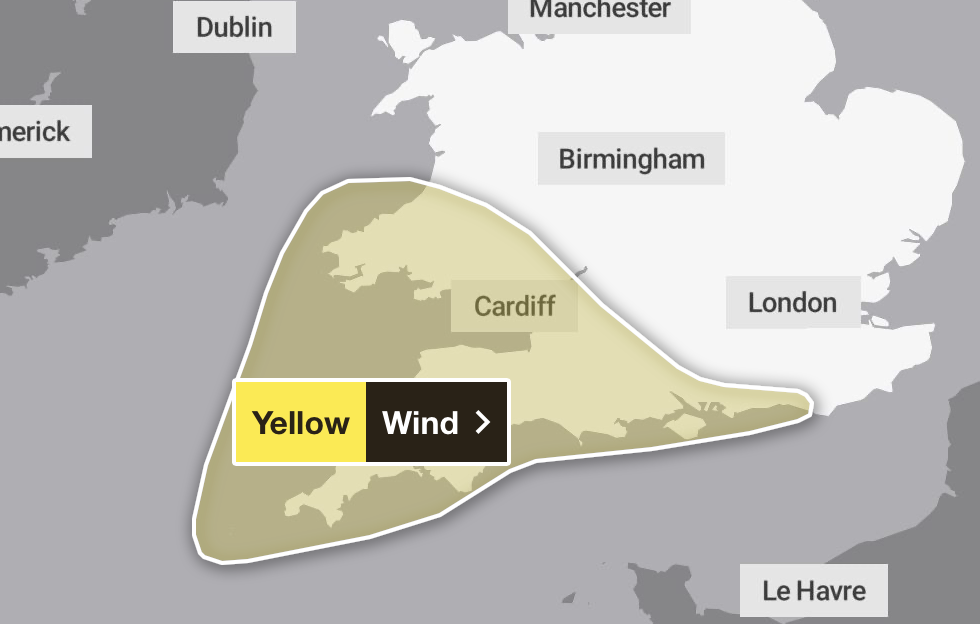
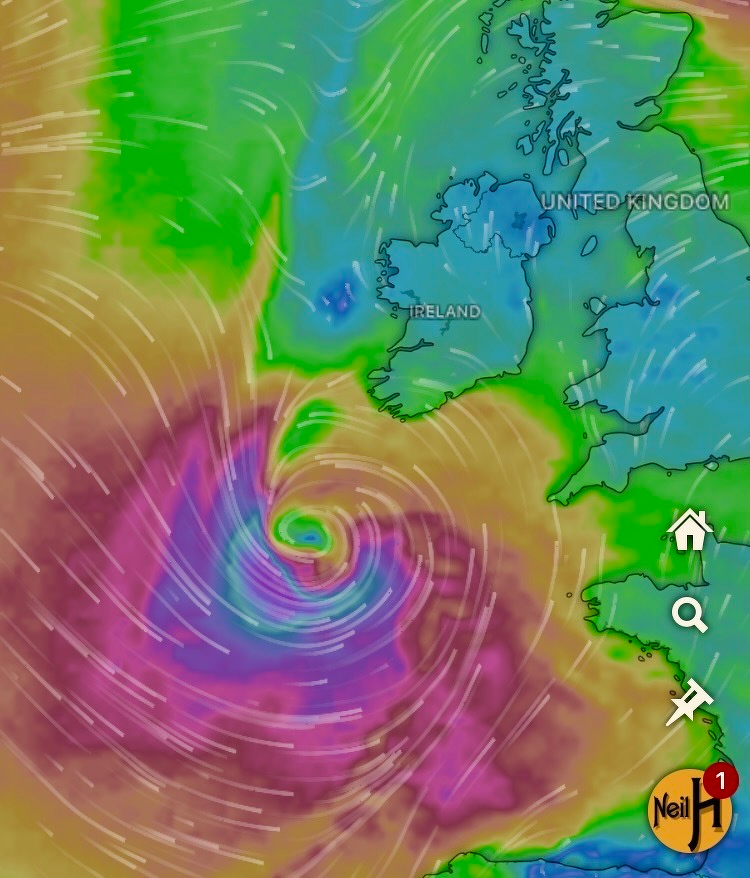
16:15. It’s getting darker now. Raining steadily. Storm Austen bearing down on Cornwall from the SW.
You Don’t Need Permission: Just Start
At eleven, I sat an exam that sorted me into a higher academic tier. The system decided I was bound for university and a professional career: middle class, white collar, a head start.
It didn’t work out that way. Harsh discipline and learning by rote were still considered legitimate teaching methods, and their sole purpose was to get children through exams. Failure was never the school’s fault. It was a personal, moral, intellectual defect in the child.
I was labelled lazy. I was punished physically. I didn’t rebel. I switched off, and escaped as soon as I legally could.
So it’s perhaps not surprising that my view of academic and, to some extent, vocational qualifications is dim, or that I find the idea of needing ‘permission’ before you can operate in any given sphere anathema.
(I do, of course, make an exception for any profession involving the lives and well-being of others. I no more want a self-taught surgeon poking around inside me than you do.)
But I believe we each have the freedom to pursue our interests without first gaining ‘official’ approval. My experiences at school led me to that belief, and I’m grateful. Had I been the academic success they expected, my working life would have been far less varied and interesting.
I hesitate here. I have a strong aversion to blowing my own trumpet. But I’ve stated a belief, and I need to show it was shaped by experience. So here are some of the things I’ve done without any qualifications:
Worked as a motor mechanic.
Helped develop National Standards for the Flooring Industry.
Wrote and published three books.
Built an ocean-going catamaran.
That last one is the source of my greatest pride.
The idea of building a 38ft sailing catamaran, designed to cross oceans, by myself, in a leaky cold barn in the middle of England, seemed ludicrous to everyone I mentioned it to. To be honest, there were times it seemed ludicrous to me too.
I’d never built a boat. I’d never used epoxy resin. I’d never laminated fibreglass.
It took 5,000 hours over seven and a half years. For the first four of those years I worked on her in the evenings and at weekends, after eight to ten-hour days in a tough job. Every spare penny I had went into the build.
Mistakes were made, of course they were. I don’t know if you’ve ever put too much hardener into a plastic pot of epoxy resin. Perhaps my old chemistry teacher taught us about exothermic reactions, I probably wasn’t paying attention. Let’s just say that a plastic pot bursting into flames in one’s hand tends to engrain itself on ones memory.
But you don’t know what skills or knowledge you need until you’re building for real.
Seven and a half years after starting, my catamaran went into the water. She floated.
We sailed her from Falmouth to the Mediterranean. She’s now in Indonesia, having crossed the Atlantic and Pacific oceans.
If you’d told me that on the cold, dark December night in 2006 when I cut the first bits of plywood, I wouldn’t have been surprised. I wasn’t building her to prove anything to anyone.
I was doing it for myself.
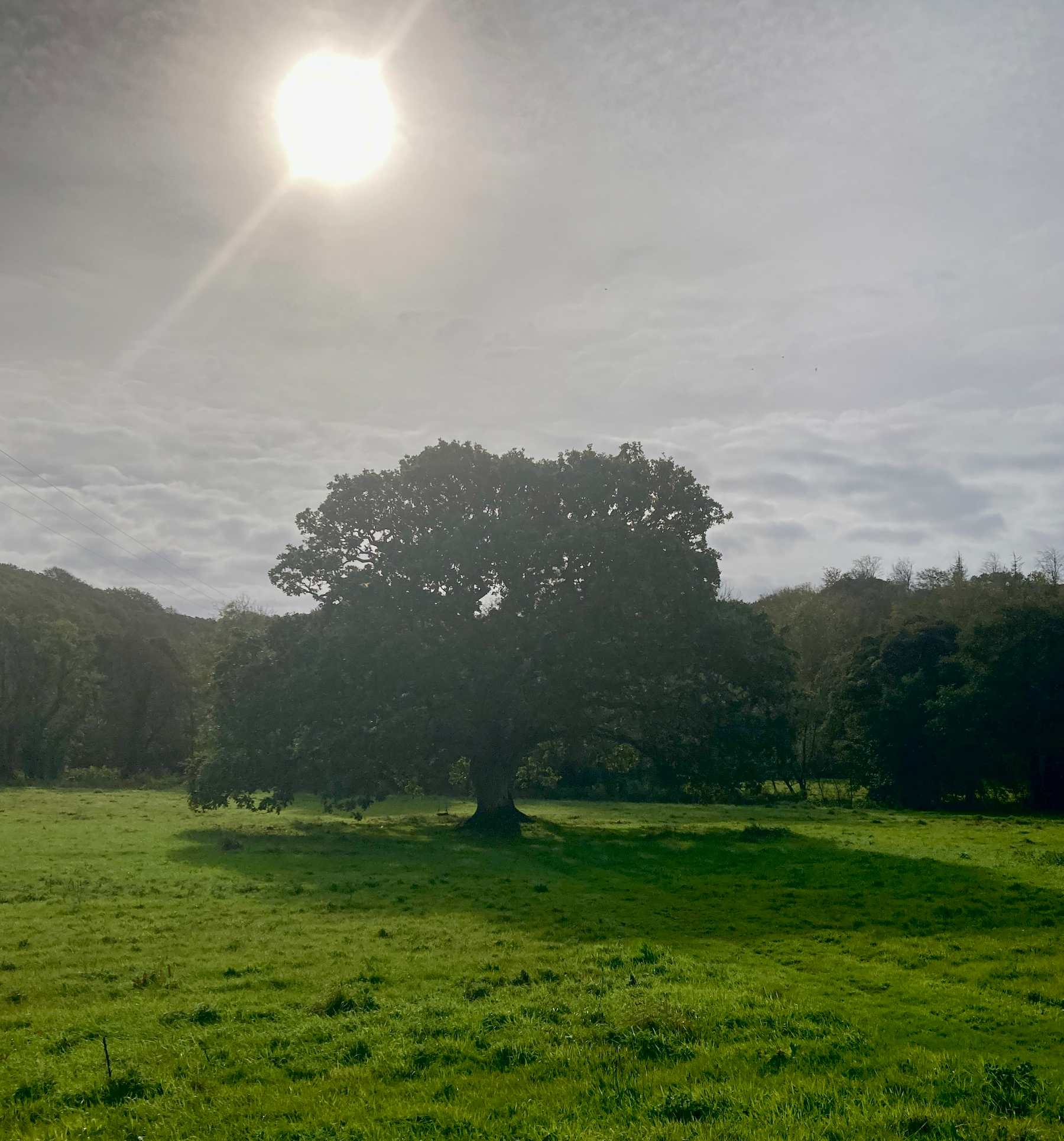
A milky sun over my 🧠Thinking Tree 🌳 today. A stillness in the air gives no hint of the storm arriving tonight.
Our Inshore Waters Forecast this morning - WIND: Westerly 4 to 6, backing southerly 6 to gale 8, veering northwesterly gale 8 to storm 10 later, occasionally violent storm 11 later in west. SEA STATE: Rough or very rough, becoming very rough or high later, occasionally very high later in far west. 😳
Lady Agnes: A Schooner, a Story, and Two Ports Close to My Heart
This morning, we drove from our home on the south coast of Cornwall to St Agnes, a village on the north coast of Cornwall. That it’s only a 9 mile trip explains why we get storm-blown salt on the windows whichever way the wind blows.
St Agnes and its surrounding coastline are part of the UNESCO Mining Heritage Site and was famously said to have some of the best tin in the world during its mining boom in the 18th and 19th centuries.
It’s home to a wonderful little museum we’ve wanted to visit for a while.
Unsurprisingly, mining exhibits take centre stage, but of course, ships and the sea feature also.
I was particularly taken with the story of the ‘Lady Agnes’ and her figurehead.
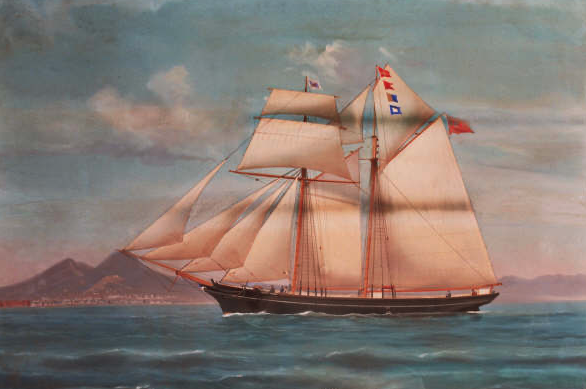
‘Lady Agnes’ was a 79ft topsail schooner built in 9-months during 1877. They had to work quickly because, amazingly, she was built on the beach in Trevaunance Cove just below St Agnes. Totally exposed to northerly winter storms, any delay would have been disastrous.
The vessel worked under sail for nearly 60 years before ending her days as a hulk in Portmadog South Wales. Amongst other things, she transported slate to the Mediterranean and bought salt cod from Newfoundland to Portugal.
Her fascinating story made buying a book about her from the museum gift shop a temptation I couldn’t resist.
My first leaf through its pages led me to the voyages she made in 1881. She sailed from Falmouth in May of that year and arrived in Cartagena (Spain) later that same month. She then made two trips between Newfoundland and Portugal before arriving back in Plymouth that December.
Falmouth and Cartagena are the two ports closest to my heart.
I’m looking forward to spending some time with Lady Agnes.
I Lost Eight Years of Blog Posts
Most of us build online on land we rent. Here’s what that cost me, and how I moved.
For the eight years I was building my boat, I ran a WordPress blog, The Gleda Project. Tens of thousands of words, hundreds of photos, written most days. I gathered a little community there and made friends.
Then Gleda was finally launched, and I found out I couldn’t take any of it with me.
I picked out some highlights by hand. I made a note of some email addresses. What’s left is a few pages on the Wayback Machine.
Some more tech-savvy readers will question that. There were, and are, ways to export everything out of WordPress they’ll say. I know. Perhaps, with the time and the know-how, it might have been possible. For me, it would never have been easy. Keeping the site up was an option, but self-hosted WordPress is notoriously demanding: constant site and plugin updates, constant battles with hacking and spam. Add the cost of keeping the domain name, and that tipped the balance. I took it on the chin and moved on.
But it’s easy to get sucked in, isn’t it? The people behind these platforms are expert marketers. “Come and use our tool. It’s free. It’s brilliant.” And once you’ve put years into a place, leaving gets harder every month. That’s the sunk cost fallacy, and I’d fallen for it without noticing.
I called this “land we rent” in the subtitle, and I mean it literally. Renting means someone else makes the rules, and can change them. Someone else has the control. Someone else can pull the plug whenever they like. Rent space from Substack, Medium or Beehiiv, and you’ve set up shop under someone else’s roof. Build a subscriber list there, or start earning, and the cost of leaving goes up again.
It’s a lesson I should already have learned. But in 2024, I set out to earn a few pennies on Medium. I posted regularly behind the paywall and built a following of 1.4K. In April that year I earned $321.26. Happy days I thought. Finally, I’d cracked it.
Five months later my monthly earnings were $52.17, and they kept dropping into single figures. Medium had changed the Partner Program rules. I stopped writing there not long after.
There’s no point harping on. There are plenty of places up for rent, and you make your own choice.
But so far, I’ve ignored the place where renting has the biggest sunk cost of all: social media.
I’ve stayed away from it. My feelings about Meta and X make that easy. The only place you’ll find me is Bluesky, and I’ll come back to that in a minute.
I know many people have years of their lives on these platforms: their photos, their memories, their friends. Some of them allow you to download an archive. But it’s a bunch of files you can’t really use anywhere else.
It may be that you’re already too far down the road to say goodbye. You may think you’re getting a fair deal. That’s fine, and I’m pleased for you.
But if you find yourself on a signup page, eager to start writing to the world, here are the things I check first now:
Can I get what’s mine out again?
Can I get it in a format I can use somewhere else? (I think Markdown files are best.)
Can I keep it running without it becoming a second job?
If the answer to any of those is no, I’d look elsewhere.
Recently, I chose micro.blog as my home online. It gives me a permanent home on the internet that I fully own and control. The words, photos and links I create there belong entirely to me. Best of all, because I can use my own website address (neilhawkesford.co.uk), I’m never locked in. If I ever decide to leave, I can instantly pack up all my content and my web address and move elsewhere without losing my audience or breaking my links.
Micro.blog can cross-post to Bluesky. In other words, every post you see there goes up on my own site first. The original lives under my own roof, and Bluesky just gets a copy. It’s a doorway to my site, not somewhere I live.
I also cross-post to Medium, and the same applies. They just get a copy. I only do it because I still have an audience there, and it’s an easy way to get more eyes onto my work. No more paywall, though. Every post is free, and every post ends with a sign-off inviting people to join my mailing list, the one that’s all mine.
Building on rented land has cost me a lot of time and effort over the years.
But no more. This time, when the winds change, I’ll be taking it with me.
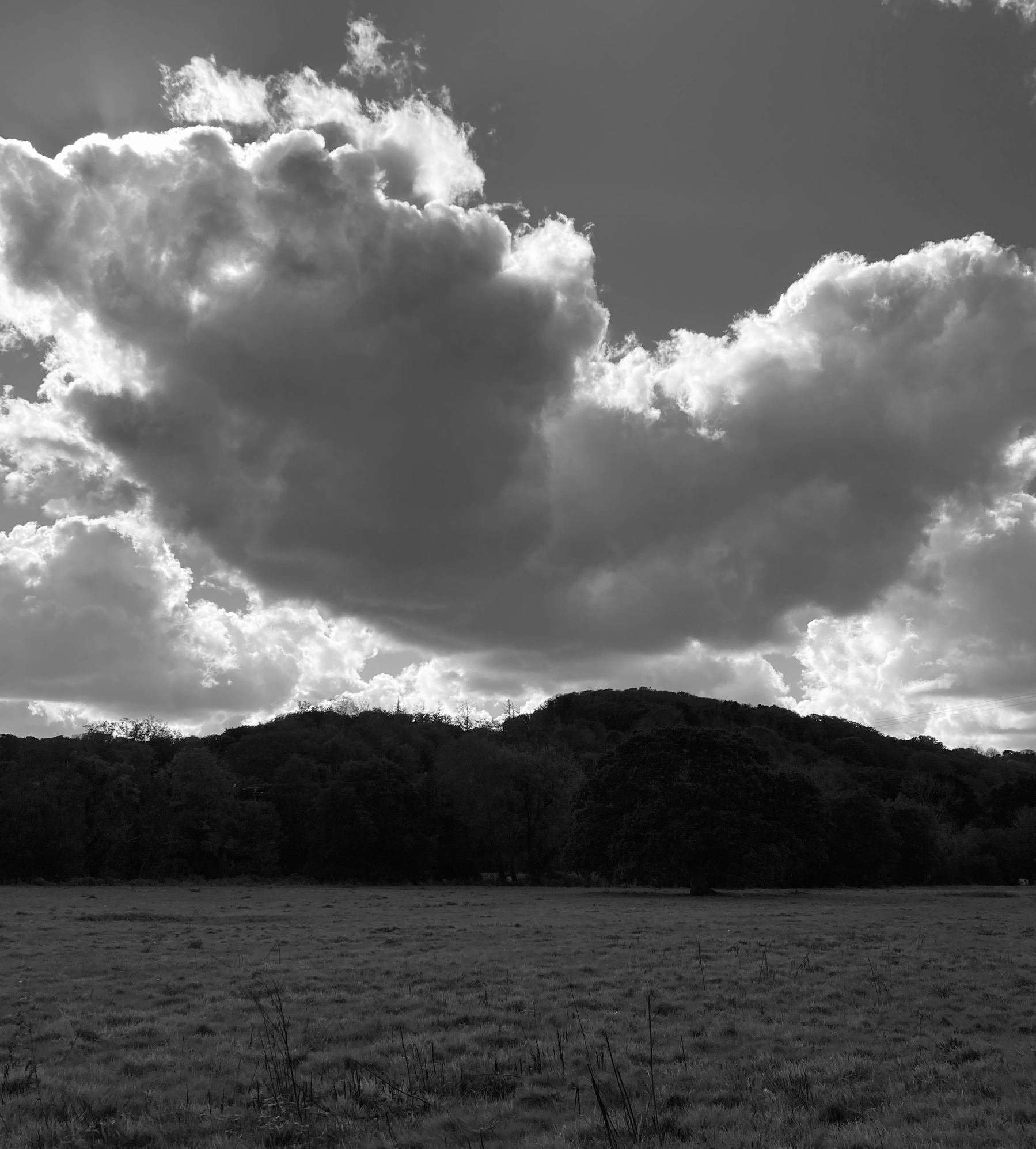
It’s official. The Met Office has named the incoming storm ‘Austen’, and it’s the first of the season. 48 hours away and already pressure is dropping, clouds are building, winds are picking up. Photo from my 🧠Thinking Walk🚶🏻♂️this afternoon.
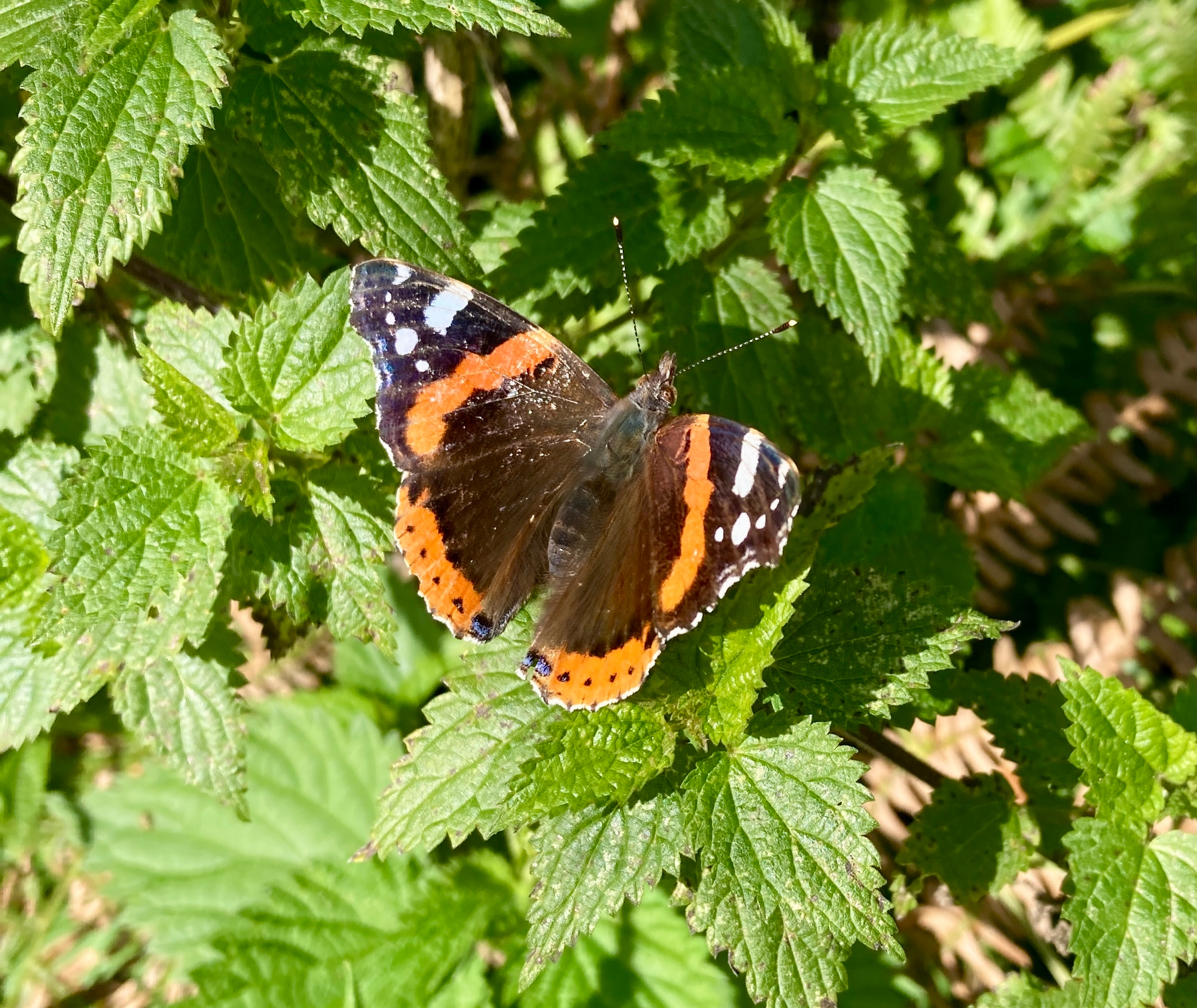
Passed a lovely Red Admiral basking in the sunshine on my 🧠Thinking Walk🚶🏻♂️this afternoon. They’re quite common down here in Cornwall, and resilient enough to survive our mild winters. A welcome splash of colour as the browns of autumn take over.
Just taking a look at @obsidian.md as a place to collect and connect my writing notes. I’m impressed. It passes my non-negotiable requirement that notes be stored locally, and as markdown. The interface is nice. It was easy to get started. So far, so good. 👍
First of the Autumn gales incoming on Friday. Could be our first named storm of the season. Nine months on, the scars left by Goretti are still to be seen here in Cornwall. Here’s hoping there’s no repeat of that this winter.